

TRIDI Engages Parliament to Advance Accountability and Unlock Uganda’s Sericulture Potential

Institute presents its position as Parliament examines project implementation, with the next phase focused on technical clarification, institutional coordination and sustainable commercialisation.
By John Jimmy Musimbi
Public Relations and Communications Officer, Tropical Institute of Development Innovations (TRIDI)
KAMPALA, UGANDA | 20 OCTOBER 2026
Turning scientific innovation into productive industries requires more than research and infrastructure. It demands sustained investment, technical expertise, institutional collaboration and a shared commitment to translating innovation into economic opportunities for Ugandans.
This is the broader purpose of the ongoing engagement between the Tropical Institute of Development Innovations (TRIDI), the Ministry of Science, Technology and Innovation and the Parliamentary Committee on Science, Technology and Innovation as they examine the implementation and future of Uganda’s sericulture investment.
The engagement follows a formal request from Parliament for a comprehensive account of TRIDI’s projects, with particular attention to the Commercialization of Sericulture Technologies and Innovations Project in Uganda. The Committee’s inquiry covers project implementation, financing, infrastructure, land, human resources, beneficiaries, production, markets and long-term sustainability.
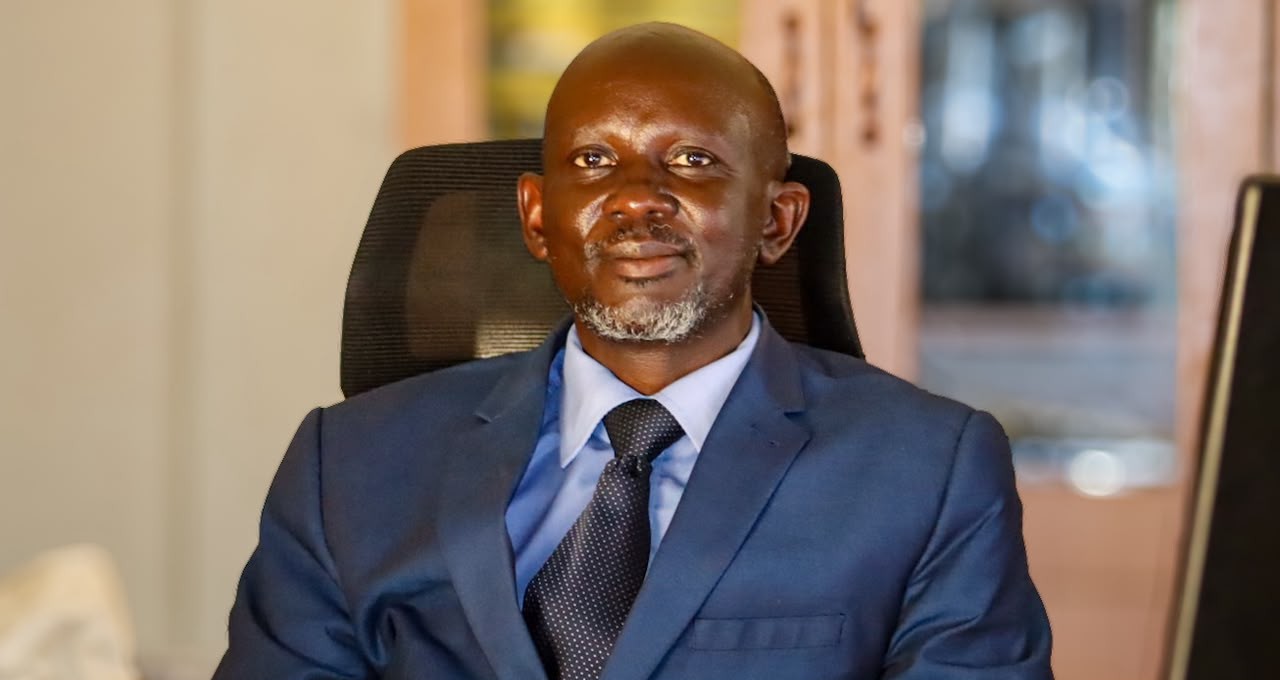
At a meeting held at Parliament on 20 October 2026, TRIDI’s Executive Director, Dr Clet Wandui Masiga, explained the Institute’s position and called for a process that would allow the responsible institutions to address outstanding technical questions through the appropriate channels.
For TRIDI, the engagement is an opportunity to strengthen institutional understanding, clarify the project’s position and support decisions that serve the long-term interests of Uganda’s sericulture industry.
TRIDI places technical evidence and accountability at the centre
In its letter dated 12 October 2026, the Parliamentary Committee requested comprehensive information on the status of TRIDI’s projects, alongside supporting documentation to inform its assessment.
The request reflects the Committee’s mandate to oversee programmes, projects and institutions in Uganda’s science, technology and innovation sector.
Responding during the 20 October meeting, Dr Masiga explained that TRIDI had reviewed the questions raised, prepared a report and submitted it to the supervising Ministry as a draft for transparency and accountability. He also indicated that key information had been identified and shared with the Clerk in advance.
Given the Minister’s request for time to familiarise himself with the reports before presenting the Ministry’s position, the Executive Director asked the Committee to allow the process to proceed in a manner that would serve the interests of the project.
He also offered to clarify outstanding issues directly with the Minister where necessary.
TRIDI’s position underscores the importance of constructive institutional dialogue in examining a technically complex project whose ambitions extend beyond infrastructure to the development of a viable silk value chain.
A comprehensive assessment of the sericulture investment
Parliament’s request provides an opportunity to examine the different components that determine the performance and sustainability of the sericulture project.
The Committee seeks information on project objectives, funding, budgets, expenditure, implementation progress and physical outputs. It has also requested details of land ownership, the status of facilities and machinery, staffing, farmers trained, employment, production, sales and market partnerships.
These areas are interconnected. Land and infrastructure provide the foundation for production. Technical expertise and trained personnel are needed to operate facilities and support farmers. Production must then connect to processing, commercial partnerships and markets if the investment is to generate sustainable economic value.
For TRIDI, the broader objective remains the commercialisation of sericulture technologies and innovations to help transform Uganda’s silk industry from subsistence activity towards sustainable commercial production.
The Institute’s work in this field is intended to contribute to industrialisation, employment creation, improved rural incomes and the development of domestic silk production and related enterprises.
The parliamentary assessment can therefore help bring the different dimensions of the investment into focus, identify issues requiring further attention and inform the decisions needed to advance the project.
Parliament provides direction on the way forward
During the meeting, the Minister of Science, Technology and Innovation informed the Committee that he had not reviewed or signed the sericulture report prepared by the technical team and therefore could not present it as the Ministry’s report.
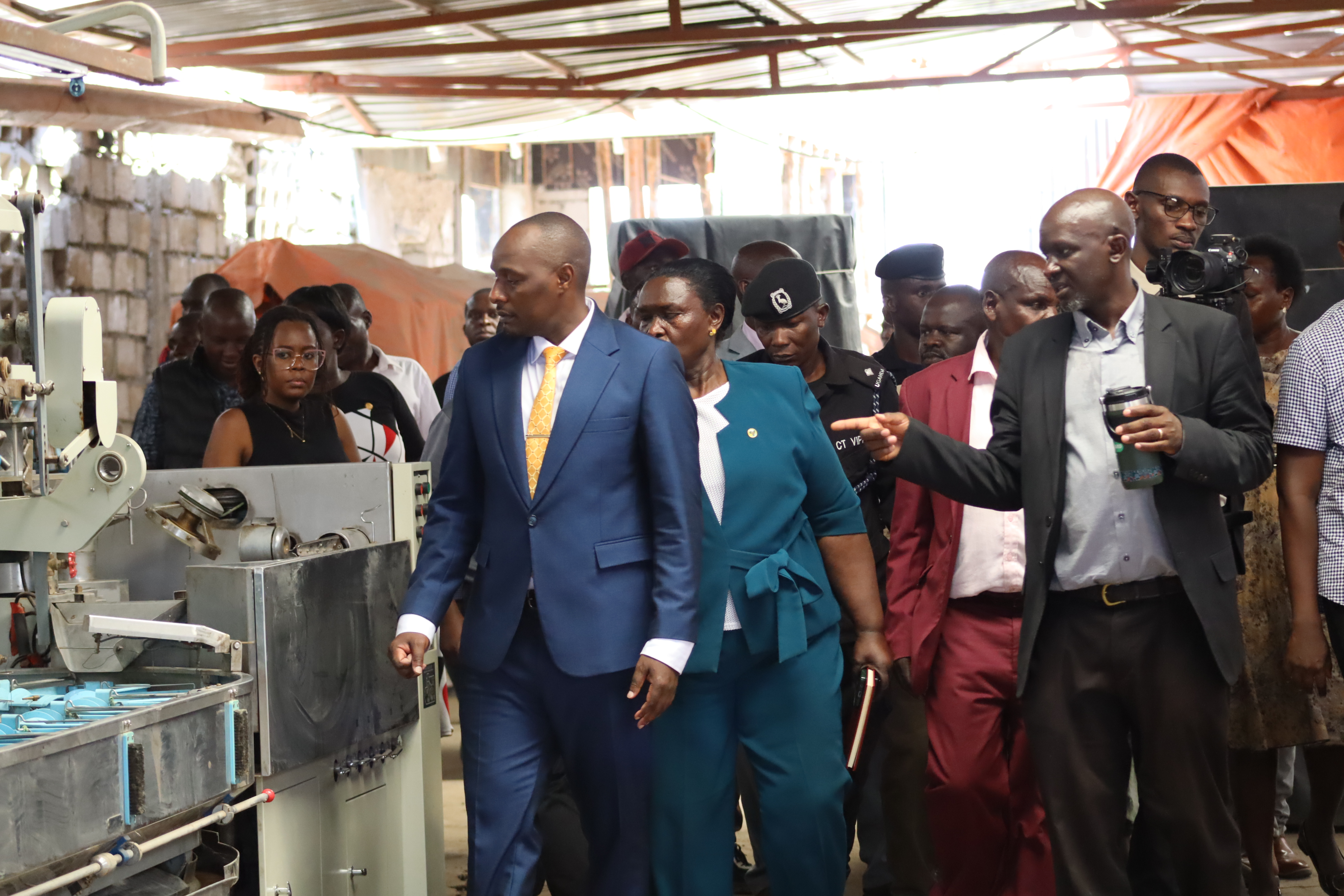
He indicated that he intended to visit the project sites, engage the technical teams and subsequently present a comprehensive position informed by his own assessment.
Committee members also discussed concerns contained in the technical report, including land, human-resource and beneficiary-protection issues.
Following the submissions, the Chairperson ruled that the Committee would proceed to hear TRIDI separately as the implementing entity, while allowing the Ministry time to prepare and present its position at a subsequent meeting.
The Minister proposed that the Ministry return to Parliament between 10 and 20 November 2026, on a date to be agreed, with a comprehensive report. The Ministry’s submission is expected to guide the Committee’s subsequent engagement with TRIDI.
The agreed process creates an opportunity for the parties to clarify their respective positions, address outstanding technical questions and establish the next steps through the appropriate institutional procedures.
For TRIDI, continued engagement with the Ministry and Parliament remains important to ensuring that discussions are informed by evidence and directed towards the project’s objectives.
From investment to a functioning silk industry
The significance of the sericulture project lies in its potential to connect scientific innovation with agricultural production, skills development, processing, manufacturing and markets.
Sericulture begins with mulberry cultivation and silkworm rearing, leading to cocoon production and, ultimately, the processing of silk into materials that can serve textile and other commercial applications.
Each stage depends on the effective functioning of the others. Production requires suitable growing conditions, technical knowledge and operational rearing facilities. Processing requires appropriate machinery, trained personnel and reliable supplies of cocoons. Commercialisation requires buyers, market linkages and a business model capable of sustaining operations. This is why the future of the industry must be considered across the entire value chain.
The questions surrounding financing, facilities, production, staffing and market partnerships are not isolated administrative matters. They are part of the wider challenge of establishing an industry that can operate efficiently and deliver lasting benefits.
TRIDI’s ambition is to help translate research and technology into practical applications that create economic opportunities. Achieving that ambition requires collaboration among government institutions, technical experts, farmers, training institutions, local leaders, development partners and private-sector actors.
Building on institutional engagement
The parliamentary process is continuing, and the Ministry’s comprehensive report is expected to inform the next phase of the assessment.
As this proceeds, constructive engagement will be important in clarifying outstanding matters, strengthening coordination and identifying practical interventions required to advance the project.
TRIDI remains committed to engaging through the appropriate institutional channels and to contributing its technical perspective to discussions on Uganda’s sericulture development.
The Institute recognises that the long-term value of science and innovation investments depends on their ability to move beyond research and infrastructure towards productive activity, market participation and sustainable economic outcomes.
The objective is therefore not simply to establish project facilities, but to build the technical, institutional and commercial foundations needed to support a viable industry.
The opportunity ahead
Uganda’s sericulture ambitions present an opportunity to connect agricultural production, technology, skills and enterprise development within an emerging value chain.
Realising this potential requires sustained institutional collaboration, evidence-based decisions and practical solutions to the challenges that affect implementation and commercialisation.
The ongoing engagement between TRIDI, the Ministry and Parliament provides an important platform for advancing that work.
For TRIDI, the priority is clear, strengthen accountability, advance constructive collaboration and help turn Uganda’s investment in sericulture into sustainable production, markets and economic opportunities.
The Institute invites researchers, policymakers, development partners, farmers, private-sector actors and other stakeholders to contribute to the development of a viable and sustainable Ugandan silk industry.