
TRIDI Links Practical Skills Training to Youth Employment at Kyampisi Agriculture Exhibition

By John Jimmy Musimbi
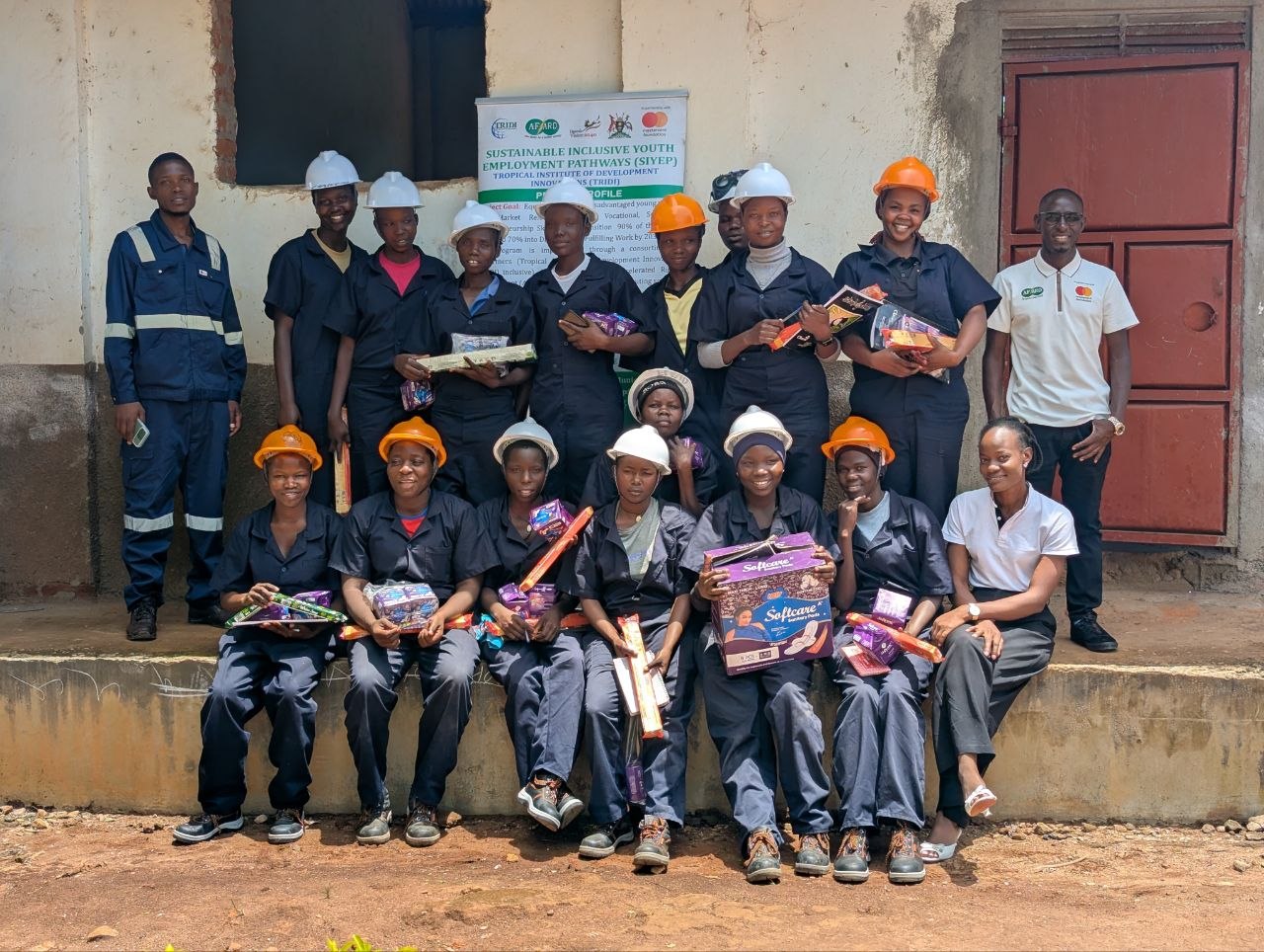
Young women trained under the Tropical Institute of Development Innovations (TRIDI)’s Sustainable Inclusive Youth Employment Pathways (SIYEP) programme have demonstrated how practical vocational skills can translate into products, services and potential livelihood opportunities.
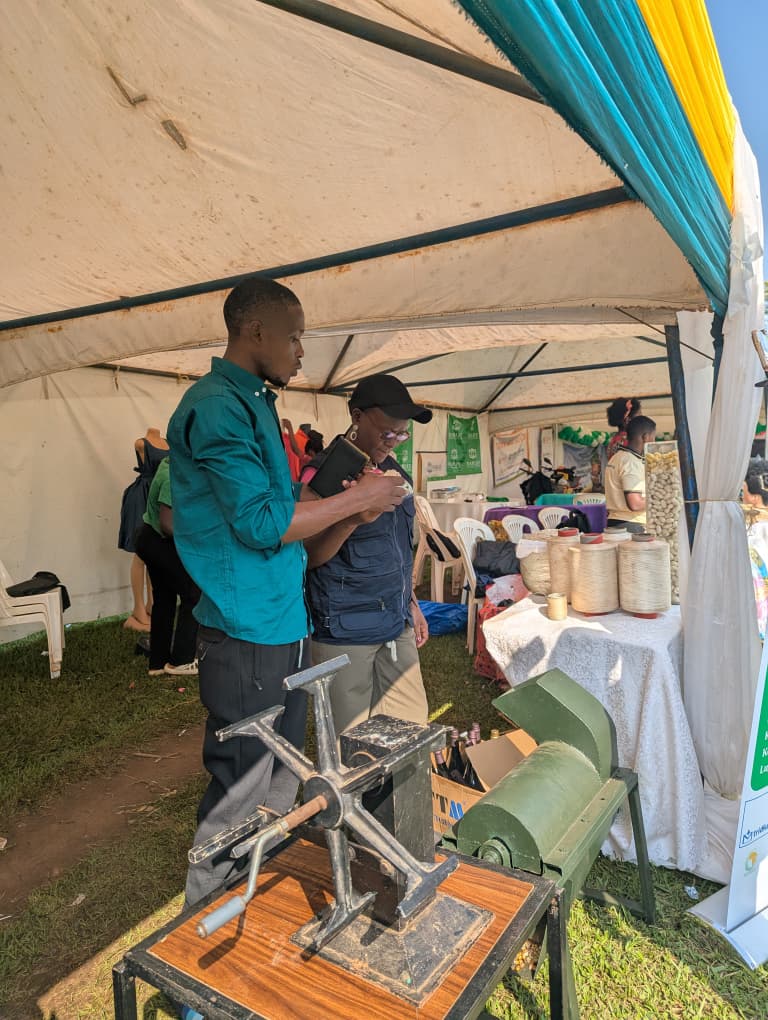
The trainees showcased their skills in sericulture, coffee value addition, wine processing, fashion and design, hairdressing and extension services during the second Kyampisi Agriculture and Education Exhibition in Mukono District.
The exhibition provided an opportunity for trainees to take their learning beyond the training environment and demonstrate practical competencies to community members, potential employers and other stakeholders.
For TRIDI, the showcase forms part of a broader effort to strengthen the connection between skills development, productive work and economic opportunity, particularly for young women who face barriers to accessing employment and vocational training.
From training to practical work
TRIDI’s approach is built around hands-on learning and practical application. Its training programmes combine technical instruction with practical demonstrations, skills competitions and industry-oriented learning.
At Kyampisi, this approach was visible in the range of products and skills presented by the trainees.
Emmanuel Walimbwa Mukhama, Head of Training and Capacity Enhancement at TRIDI, said the exhibition was an opportunity to demonstrate the abilities developed by young women through the SIYEP programme.
“We are showcasing the talents, innovations and products of young people whom we have empowered under this year’s programme,” Mukhama said.
TRIDI is implementing the SIYEP initiative with a focus on helping young women acquire market relevant vocational, entrepreneurial and soft skills, with the programme targeting 23,000 young women for transition into dignified employment.
Mukhama said the programme is particularly seeking to reach young women from underserved and vulnerable backgrounds, including young mothers, orphans and young women living with disabilities.
“We are seeking to reach 2,000 young women in this particular region of Mukono with market relevant skills,” he said.
Skills demonstrated across multiple value chains
The exhibition brought together practical skills from several sectors, showing how vocational training can connect young people to different points along agricultural, manufacturing and service value chains.
In fashion and design, trainees demonstrated garment construction and tailoring skills. Namugabo Sharuwah, a participant in the programme, said her training had enabled her to make different garments.
“I have been able to learn how to make overalls and traditional ladies’ suits, locally known as gomesi,” she said.
The sericulture and silk value chain was another key area of demonstration. TRIDI’s wider research and innovation work includes the development and commercialisation of sericulture technologies, with the institution positioning silk production as an avenue for industrialisation and employment.
Daniel Mushikoma, Head of Operations at TRIDI, explained that silk production involves several stages, beginning with mulberry cultivation and silkworm rearing before the fibre is extracted from cocoons and processed into products.
“We are able to get that fibre and make silk cloth, while other products include silk soap and a number of other products,” Mushikoma said.
The demonstration therefore highlighted not only the final product, but also the skills required across the value chain from agricultural production to processing and manufacturing.
Local resources, new products
The trainees also demonstrated how locally available resources can be developed into products with commercial potential.
In hairdressing, Nandita Ramlah, a participant in banana fibre braiding, demonstrated skills involving the extraction and treatment of material from banana stems for use in hair products.
“I have learnt extracting juice from a banana stem to make hair braids, treat them with chemicals, add different colours and style them for sale,” she said.
The demonstration reflects TRIDI’s broader work in banana fibre innovation and its emphasis on applying science and technology to develop practical solutions and products.
Coffee trainees similarly demonstrated practical competencies in coffee production and value addition, while wine processing trainees showcased products developed through their training.
Why practical skills matter
The exhibition comes at a time when young people continue to seek pathways from education and training into meaningful economic opportunities.
For TRIDI, skills development is therefore not limited to transferring technical knowledge. Its training model seeks to connect learning with practical application, entrepreneurship and industry needs. TRIDI says its training programmes are designed to bridge the gap between academic learning and practical application through hands on training and real world projects.
Mukhama said the SIYEP programme combines vocational training with complementary support intended to strengthen participants’ transition into work.
“We train them, take them through skills competitions and product development, and provide financial information, soft skills and other support,” he said.
This approach positions trainees not simply as recipients of training, but as active participants capable of producing goods, offering services and exploring employment and enterprise opportunities.
Building pathways to dignified work
The Kyampisi exhibition also created space for community members and other stakeholders to see the practical value of vocational education and the capabilities of young women undergoing training.
Rather than presenting skills development as an end in itself, the showcase demonstrated the link between learning, production and opportunity a connection that is central to TRIDI’s skills and youth employment work.
Through SIYEP, TRIDI and its partners are working to expand access to market relevant vocational, entrepreneurial and soft skills for young women, with the stated goal of supporting their transition into dignified employment.
The Kyampisi showcase therefore served both as a demonstration of skills already acquired and as a reminder of what practical training can make possible when young people are given opportunities to learn, practise, produce and connect with markets.
For young women seeking skills and livelihood opportunities, and for employers, communities and development partners interested in supporting youth employment, such platforms provide an important space to see skills in action and explore pathways from training to work.