

By John Jimmy Musimbi, Public Relations and Communications Officer, TRIDI.
Ask a woman farmer in Sheema what a silkworm is worth, and she won’t give you a price per kilogram. She’ll tell you it gave her work when she had no formal education, and that she wants it back.
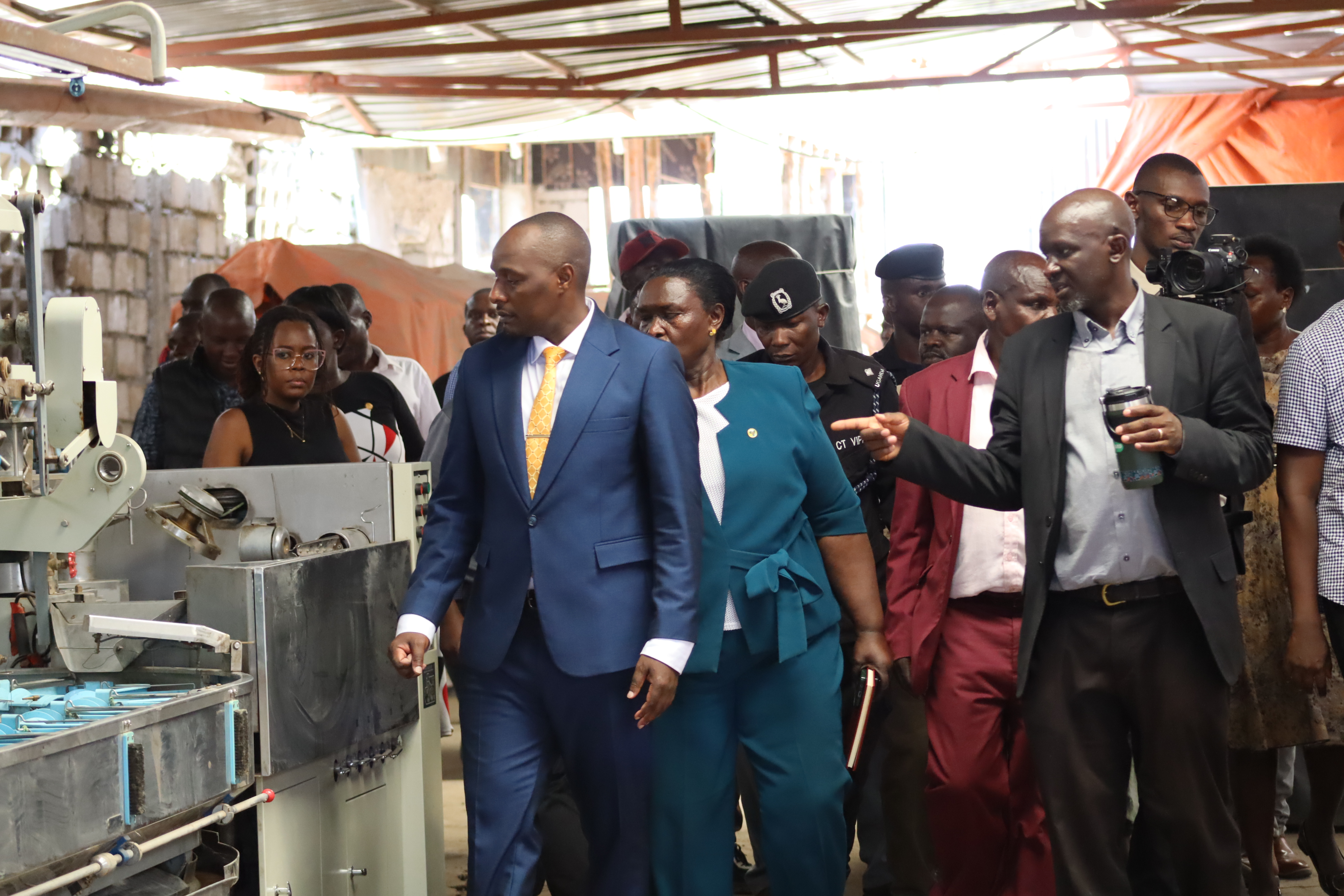
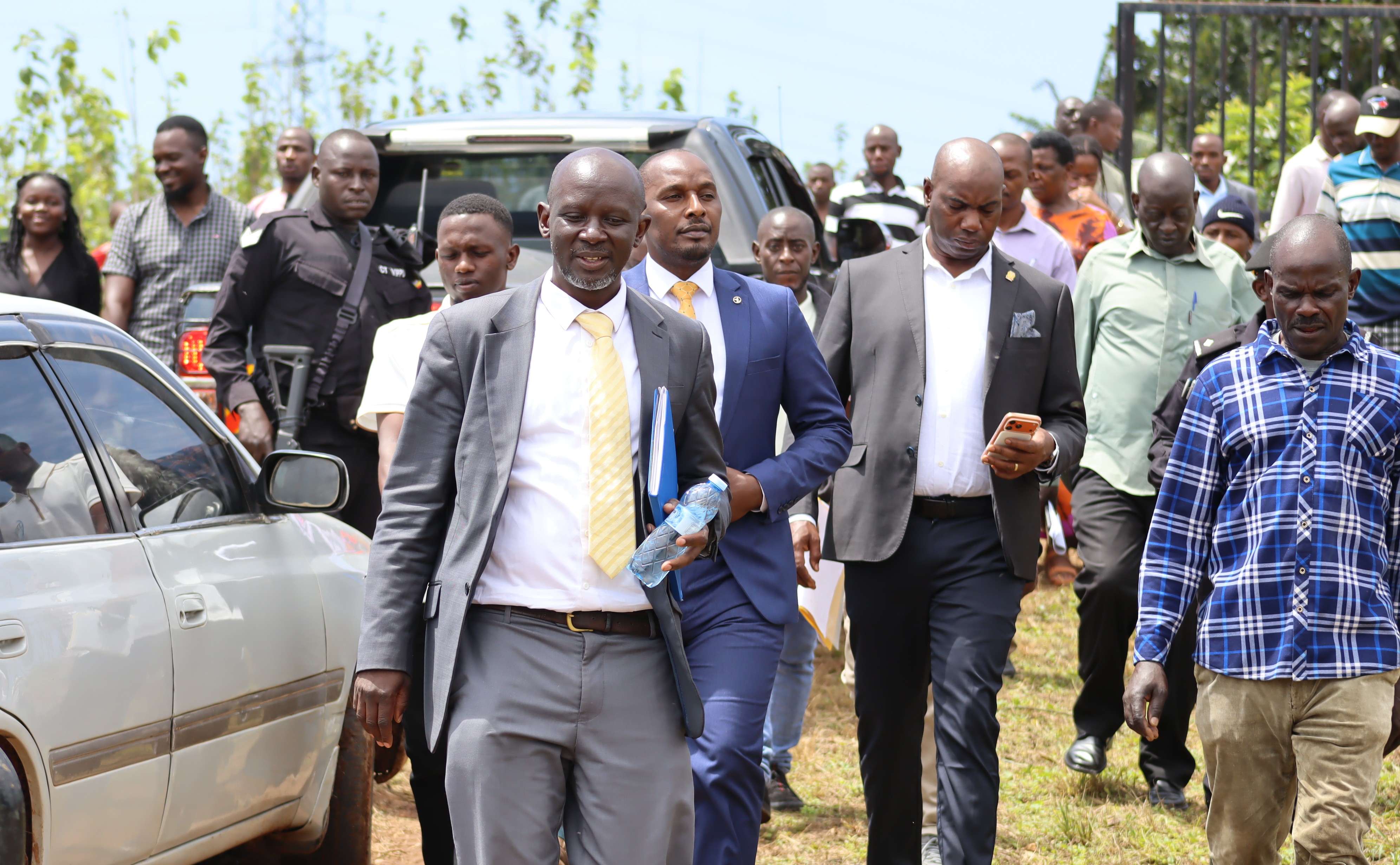
That was one of the strongest moments at Rubare on 23 October 2026, when the Minister of Science, Technology and Innovation, Hon. Jonard Asiimwe Akiki, came to Sheema to listen. Members of Parliament, district leaders, MAAIF officials, farmers, youth and TRIDI’s team were all there. The room was candid, and what it said was clear, people here have not stopped believing in silk.
The Minister began with a tour of the mulberry gardens and the factory. He then asked everyone in the room to focus on development rather than politics, and on solutions rather than blame.
The idea behind the thread
Silk is not a luxury crop for someone else’s market. It is a crop that rural families can grow and that factories can process. Its value chain reaches well beyond cloth, into surgical threads, skin-care products, soap and even tea. At the meeting, global prices were quoted at about USD 20 per kg of cocoons and USD 80 per kg of raw yarn. That gap between cocoon and yarn is where jobs are created.
This is why TRIDI exists in this space. Our mission is to move Uganda’s sericulture from subsistence to sustainable commercial production, and we’ve been building the foundations since the Innovation Fund selected us to commercialise sericulture technologies.
Why should you care?
Because when a factory sits idle, a trained operator sits idle too. A former TRIDI trainee told the meeting that it hurts to have skills and nowhere to use them. Farmers pointed to roads, markets and growth that followed the project, and to what disappeared when it stalled.
Silk is one of the few industries where a farmer, a young technician and an exporter can share the same value chain. Uganda shouldn’t leave that opportunity untouched.
Yes, it stalled. Here is why we’re still standing here.
We won’t pretend the last few years were easy. Farmers and workers lost income, and the district felt it. We have spent five years clarifying the facts about the project and answering the misunderstandings around it, because we believe a project of this size has to be built on truth.
What the meeting showed us is that the problems are well understood. Quality silkworm eggs, rearing houses and organised markets were named by speaker after speaker, and each one has a solution. MAAIF is already working on market linkages, and the Minister said he and his technical team have started the journey of revamping the industry. His Ministry is working on short-term and long-term solutions, and he is travelling to India to benchmark. He told the meeting that the project will be revamped, that it will receive funding, and that the community must own it.
TRIDI welcomes this. The site has also been identified for a bio-science hub, and the documentation is there. What remains is follow-up, and we are ready for it.
What we’ve built is real
- 30 acres of mulberry at Rubare, with buildings constructed and a silk factory installed
- Over 4,500 acres of mulberry on stations and with farmers across the country when the project stalled
- 24 districts and 38 sites reached under the national programme
- Bushenyi Silk Farmers Association has already supplied cocoons to Ethiopia
At Rubare, less than UGX 200 million, for a transformer and a water pump, is what stands between a finished factory and a working one. The gardens are in good condition.
What the Minister said
The Minister told the meeting that the project will be revamped and that his Ministry is working on both short-term and long-term solutions. He said he and his technical team have begun the journey of reviving sericulture in Uganda, and he promised that the project will receive funding. He urged TRIDI, the district and all partners to work together. He also announced plans to travel to India for benchmarking and to return with solutions, and he called on the community to own the project, because that is how it will grow.
Dr. Masiga expressed optimism that TRIDI, the district and the Ministry can now agree on principles and make Rubare operational. He added that the station has been identified for a bio-science hub, and that the documentation exists and only follow-up remains.
Our Call to Action, Pull the thread with us.
- Let farmers and youth plant mulberry, join a farmers’ association and get trained.
- Investors and partners should talk to us about the missing links, from egg production to rearing houses to finished silk products.
- Let the researchers help us solve the silkworm egg quality challenge.
- Let everyone else share this story and tell us what silk could mean for your community.
What would a working silk factory mean for your village?