
TRIDI Hosts First Institutional Skills Competitions to Prepare Young Women for Wider Opportunities

By John Jimmy Musimbi
More than 100 young women have put their practical skills to the test as TRIDI hosted its first Institutional Skills Competitions at its headquarters in Kyabakadde, Mukono.
Held under the Sustainable Inclusive Youth Employment Pathways (SIYEP) programme, the competition brought trainees together to test their technical abilities through standardised practical assessments across different trades.
The initiative is designed not simply to identify winners, but to help young women build confidence, improve skills efficiency, strengthen product development and prepare for wider employment opportunities.
Putting skills to the test
For many trainees, the competition was an opportunity to discover what they could accomplish under pressure while showcasing skills gained through their training.
In tailoring, Jackline Kimono demonstrated her progress by producing a dress for a three year old child. “I’ve been here for a month now, but this is what I managed to produce, a dress for a three year old.”
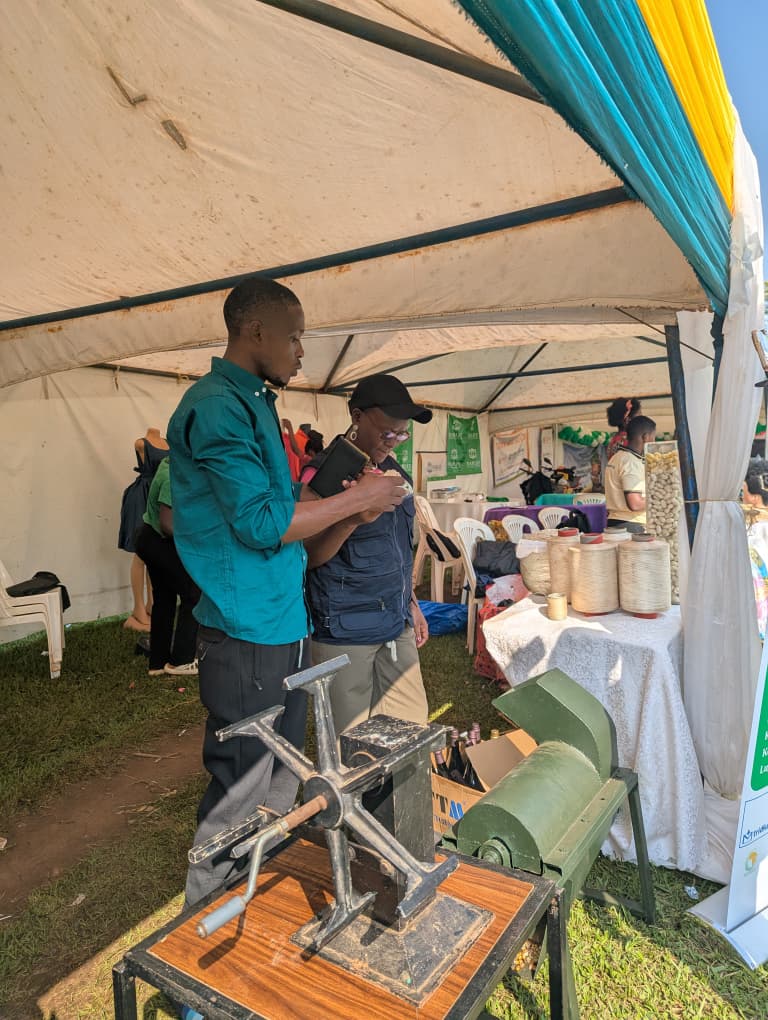
In agro-processing, Mary Owobusingye demonstrated the coffee value addition process, explaining: “We sort the coffee, we roast, we grind, and we pack.”
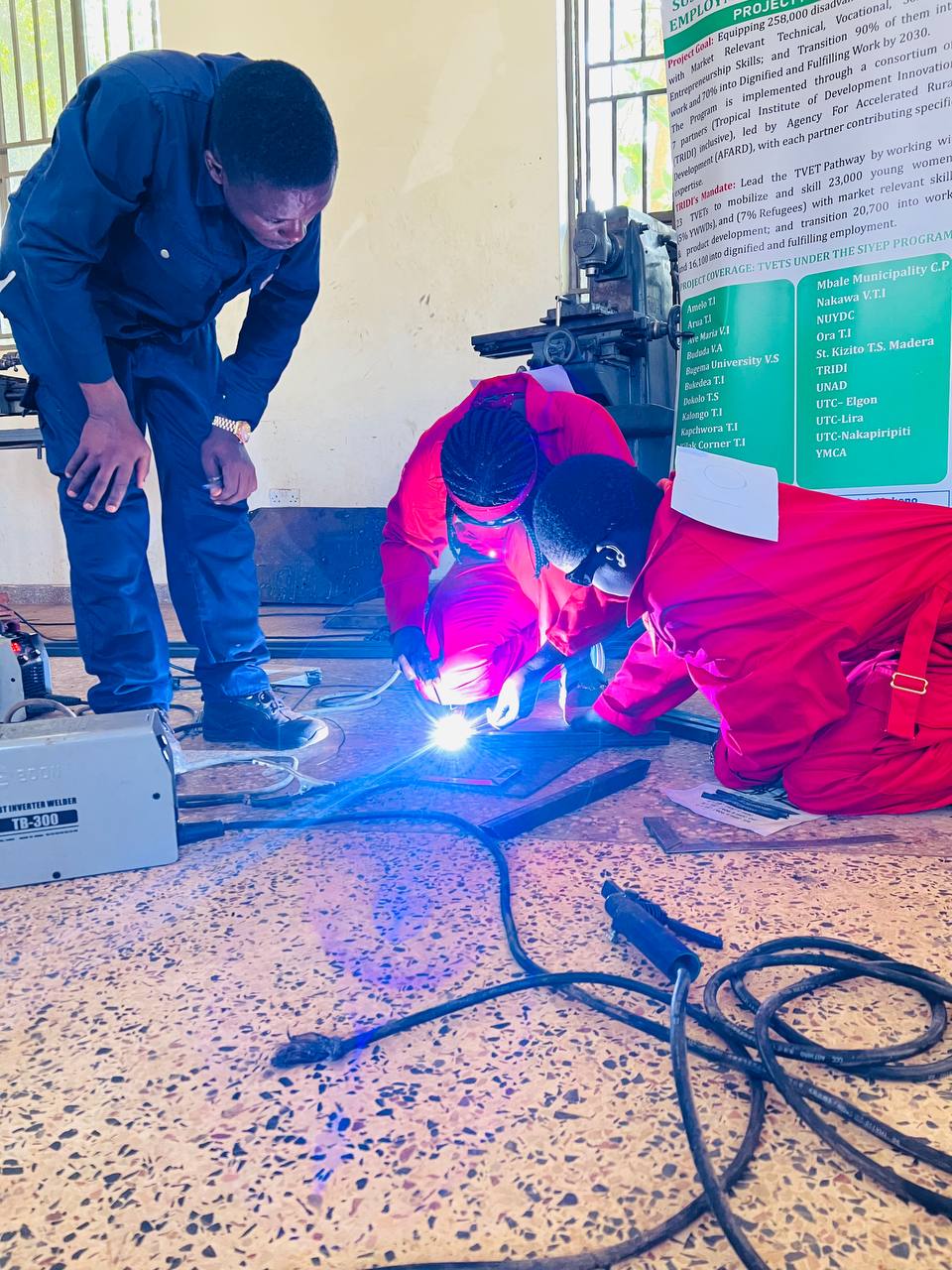
Other trainees tested their skills in areas including hairdressing and welding. Juliet Nagawa Ssanyu, a welding trainee, produced an infinite cube table as part of the assessment. “The competition was not difficult, but somehow challenging because we had just entered the course.”
The variety of practical test items demonstrated how vocational training can move beyond theory to equip young people with skills they can apply in workplaces, enterprises and production.
More than a competition
According to Dr. Clet Wandui Masiga, Executive Director of TRIDI, the competitions are intended to strengthen employability while also encouraging young women to explore technical fields where women remain underrepresented. “We are doing skills competitions to really improve employability of young women, but also to encourage them to take on the male dominated courses,” Masiga said.
The competition also forms part of a progression pathway. Participants who perform strongly at the institutional level can advance to regional and national stages, with the best performers eventually getting opportunities to compete internationally.
This creates a pathway in which skills are not only assessed but continually strengthened through successive levels of competition.
Learning continues after the competition
TRIDI says the competition is also intended to provide learning opportunities for participants who do not progress to the next level.
Masiga said the institute provides post-competition support to help participants improve their products and connect with institutions that can provide further support.
“We facilitate them to make the best of their product and then link them to support institutions,” he said.
Tutors also identified areas for improvement following the institutional assessment.
Patience Tukamushaba, Youth Skilling Specialist in Fashion and Design at TRIDI, said some trainees experienced challenges operating machines but could improve with continued practice ahead of the regional competitions.
The experience therefore becomes part of the learning process giving trainees feedback on where they need to improve before taking their skills to a higher level.
From competition to opportunity
The Institutional Skills Competitions demonstrate an important link between training, assessment, confidence and opportunity.
For young women considering vocational training, the message is clear; practical skills can be tested, improved and developed into products and services with potential economic value.
For employers, partners and other stakeholders in the skills ecosystem, the competitions also provide an opportunity to see young people demonstrate what they can do not simply what they have been taught.
TRIDI plans to hold the Institutional Skills Competitions annually, creating a continuing platform for identifying talent, strengthening practical competencies and preparing young people for wider opportunities.
The next step is participation; young people interested in practical skills development can follow TRIDI’s official channels for information on available training and youth opportunities, while employers and partners can engage with TRIDI to explore pathways for skills development, product development and transition to work.