

By John Jimmy Musimbi
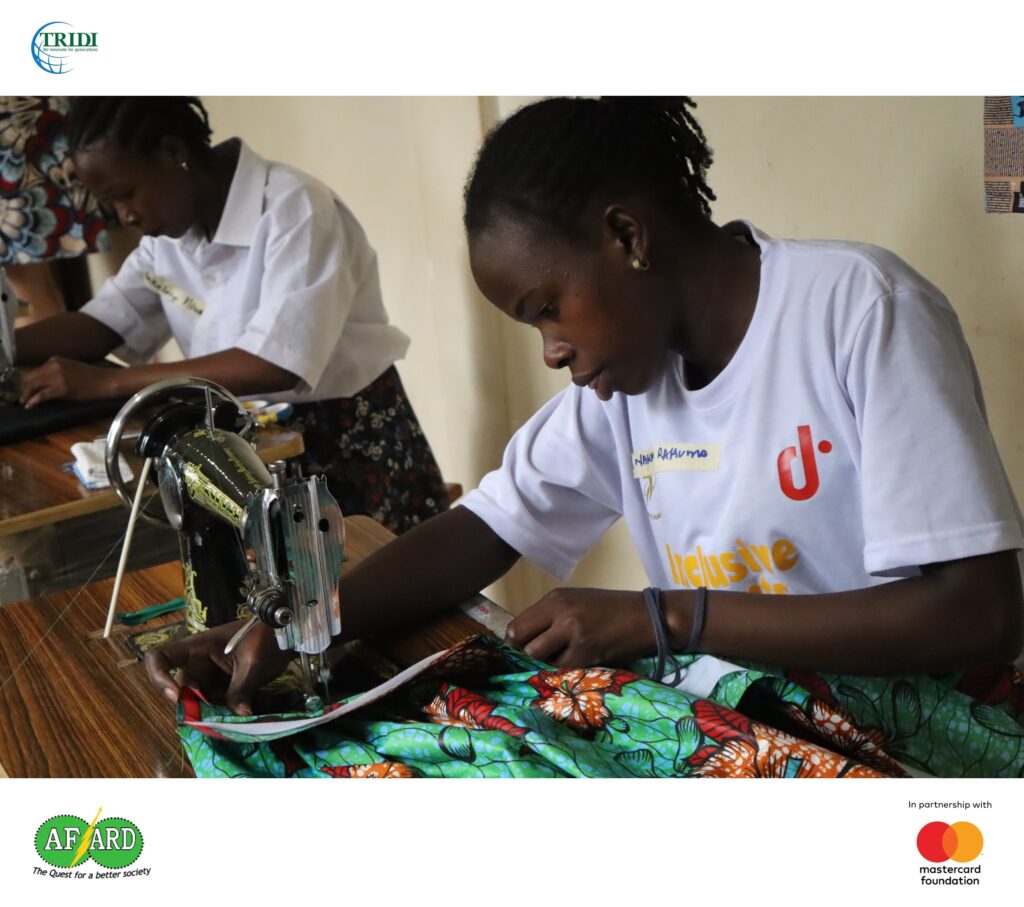
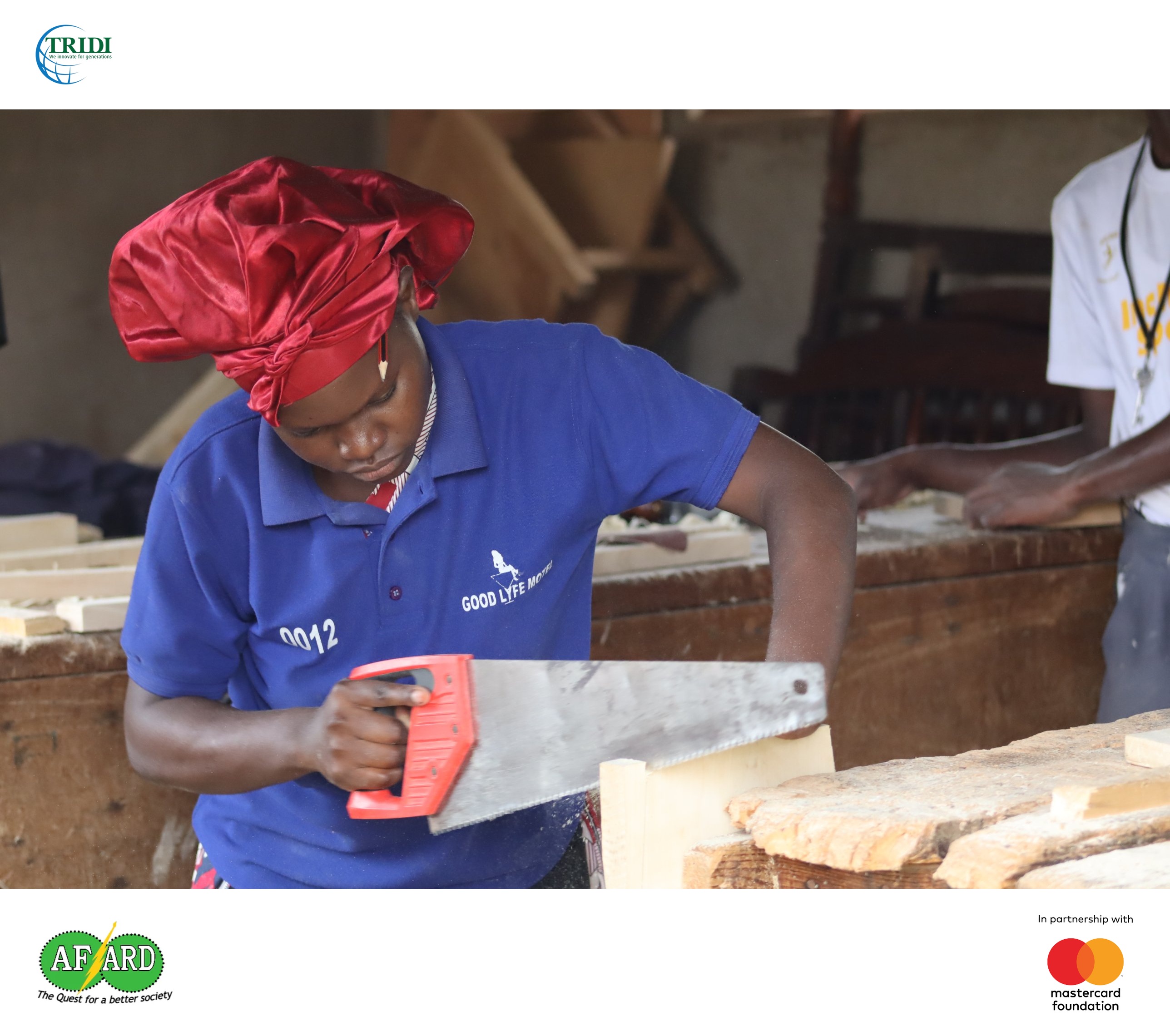
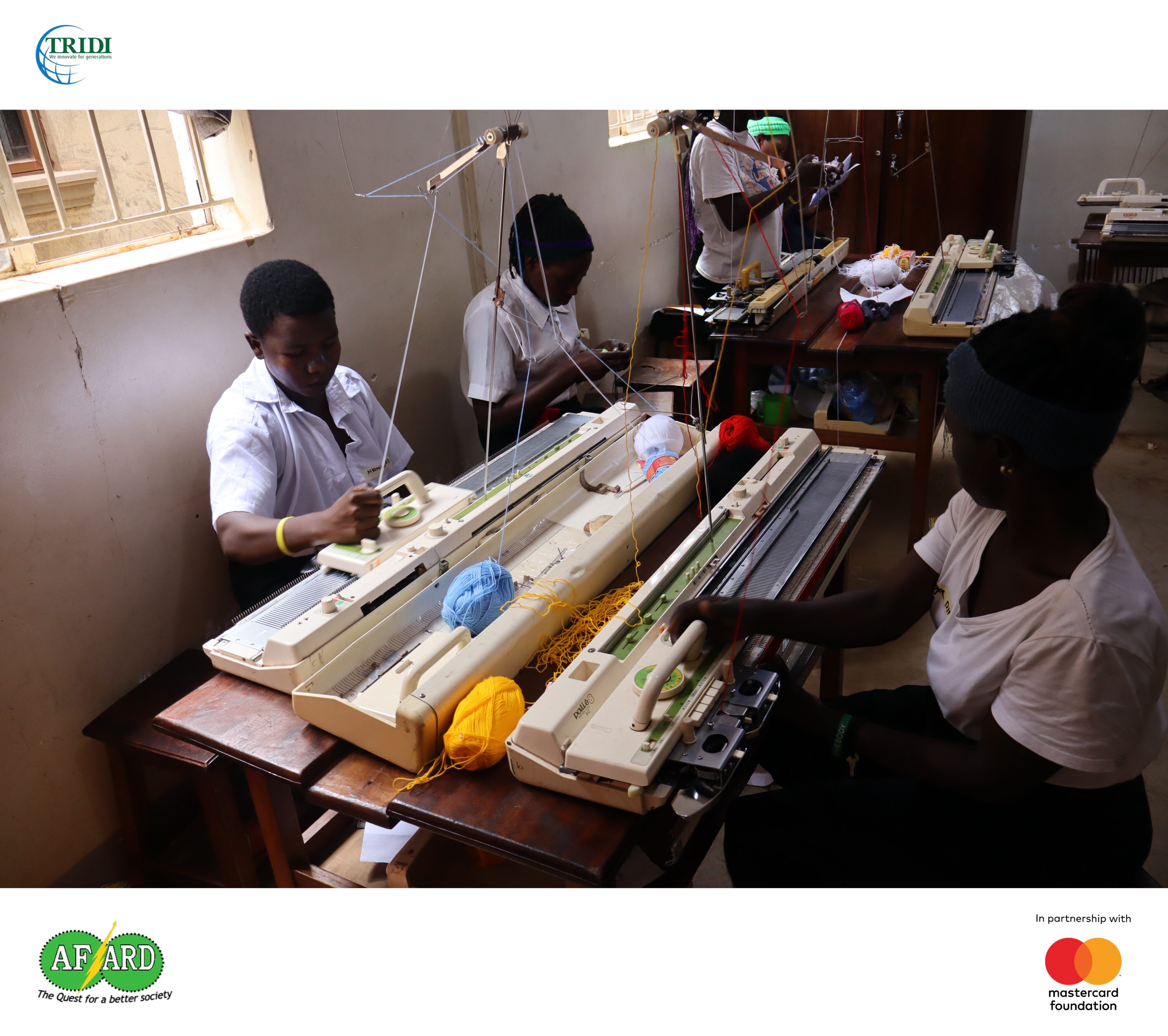
MUKONO. Seventeen young women have participated in institutional skills competitions at the Uganda National Association of the Deaf (UNAD), demonstrating their practical competencies in carpentry, tailoring and knitting under the Sustainable Inclusive Youth Employment Pathways (SIYEP) programme.
Organized by the Tropical Institute of Development Innovations (TRIDI) on Friday, 13 November 2026, the competition provided participants an opportunity to put their vocational training into practice, demonstrate their abilities and receive recognition for the skills they are developing.
The event also highlighted the importance of creating inclusive vocational training opportunities for young women with disabilities, particularly those with hearing disabilities, and ensuring that they can participate meaningfully in skills development and economic activities.
From training to practical competence
For the participants, the competition was more than an opportunity to compete. It was a platform to demonstrate what they had learned and how far they had progressed through their training.
Among the participants was Jane Nakito, a tailoring trainee and one of the competition winners. She demonstrated her skills by making a skirt, drawing on the techniques she had acquired through practical skilling.
Reflecting on her journey, Jane said, “I appreciate my instructor, who has trained me in different things, for example, making skirts, blouses and shirts. At first it was hard, but with time I’m improving, especially in measuring and making different designs.”
She explained that the practical exercise had gone smoothly, with guidance from her instructor helping her complete the skirt.
“Today I have made a skirt. We have been learning how to make skirts, and the exercise was smooth. I didn’t face a lot of challenges. Through the guidance of my instructor, I have managed to make my skirt,” she said.
Her experience illustrates how practical instruction, consistent practice and mentorship can enable young women to build confidence and improve their technical abilities.
Another participant, Marvis Ankunda, shared her progress in knitting. Having joined the training on 20 October 2026, she explained that she had already acquired skills in making sweaters and demonstrated her learning by producing a scarf during the competition.
“I have so far learnt how to make a sweater, and in today’s competitions I made a scarf. My instructors have been very helpful,” she said.
The two accounts demonstrate the value of hands-on vocational training in enabling young women to translate classroom instruction into practical products and competencies.
UNAD’s commitment to inclusive training
UNAD’s Centre Manager and SIYEP Coordinator, Ms. Rebecca Nankinga, said the competition reflects the centre’s broader aim of providing vocational training to young people with a hearing impairment, particularly girls.
“At UNAD, we believe that every deaf young person deserves an opportunity to acquire skills and become self-reliant and build a brighter future. Through our partnership with TRIDI and the SIYEP programme, we are working to provide inclusive vocational training opportunities for deaf young people, particularly girls who often face additional barriers to education and employment,” she says.
She added that the goal goes beyond training.
“Our goal is not just to train students, but to equip them with practical skills that can lead to employment, entrepreneurship and economic independence,” she says.
Ms. Nankinga also appealed to parents and community leaders to support deaf children, especially girls, by bringing them to the centre to access vocational training.
“I want every young person to have the opportunity to discover their potential. We sincerely appreciate TRIDI and SIYEP for partnership and continued collaboration with UNAD in creating these opportunities for the deaf community,” she adds.
Making disability inclusion intentional
Beyond the individual achievements at UNAD, the competition reflects TRIDI’s deliberate approach to ensuring that young women with disabilities are included in SIYEP.
Ms. Jessica Nabulo, a Monitoring, Evaluation, Accountability and Learning (MEAL) Officer at TRIDI, explained that disability inclusion is a specific programme commitment.
She said the programme requires that 5% of its targeted 23,000 young women over five years be young women with disabilities. To advance this commitment, TRIDI partnered with UNAD as one of the 23 vocational training institutions, particularly serving young women with hearing impairment.
“The strategy we have used is bringing UNAD on board as one of the TVETs that is fully looking at students or young women with a hearing impairment,” she explained.
She said: “Disability inclusion extends beyond UNAD. Across the other 22 TVET institutions in TRIDI’s network, the programme also supports young women with different disabilities, including visual and physical disabilities. Currently, 240 young women with disabilities have been supported.”
At UNAD specifically, she explained that 13 young women who applied for scholarships were brought on board, fully sponsored and are undergoing vocational training.
“As we speak today, they have participated in the skills competitions, and because of the 5%, at least we shall have a representative from every trade graduating or moving to the regional competitions to represent young women with disabilities,” she said.
This approach is intended to ensure that young women with disabilities are not left out of scholarship opportunities, skills assessments and the wider pathways towards employment.
Ms. Nabulo explained that participants are also supported through complementary interventions, including work readiness, safeguarding, Sexual and Reproductive Health (SRH) education and other services that strengthen their ability to transition into work.
She noted that the programme is also working towards providing start-up kits to support young women transition into the world of work.
Background
SIYEP is a five-year initiative led by the Agency For Accelerated Regional Development (AFARD) and partners in partnership with Mastercard Foundation. TRIDI, one of the eight partners, is implementing innovative skills development interventions through collaborating with 23 Technical Vocational Education Training Institutions across Central, Eastern and Northern Uganda regions.
Through its work with 23 TVET institutions, TRIDI is supporting young women to acquire technical and vocational competencies while addressing barriers that can prevent them from accessing training and employment opportunities.
The UNAD competition demonstrates why disability inclusion must be reflected not only in programme enrollment figures but also in the practical opportunities provided to participants to demonstrate their abilities, receive recognition and progress towards economic independence.
Skills have no disability. Opportunity should have no barriers.