

PR & Communications: Making TRIDI’s Work Visible, Understandable and Accountable

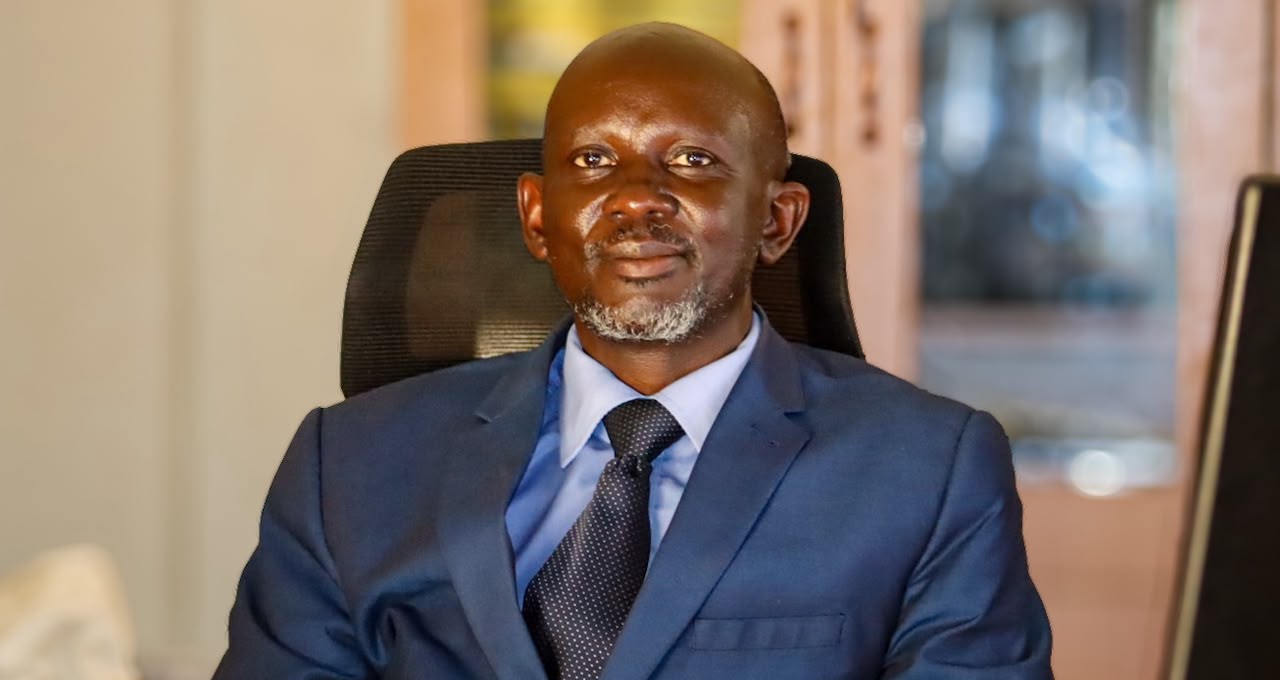
John Jimmy Musimbi
Public Relations & Communications Officer
Development work does not end when an activity is completed. People need to know what happened, why it matters, who benefited and what comes next. At TRIDI, the Public Relations and Communications Department helps turn that work into information the public, partners, government and communities can see, understand and engage with.
From skills development and sericulture to youth employment, research, partnerships and community engagement, TRIDI’s work generates stories, evidence and lessons that need to reach the right audiences in the right way.
The PR & Communications Department provides that bridge.
Turning implementation into a story
A training session, skills competition, community engagement or field activity may begin as an internal programme activity. Through communications, it becomes part of a wider conversation about what TRIDI is doing and what its work means for young people and communities.
The department documents activities through photography, videography, news stories, website articles, social media content, newsletters and other communication products, helping create a public record of implementation.
But effective development communication is more than reporting that an activity took place.
It asks:
What happened? Who was reached? What changed? Why does it matter? And what evidence demonstrates that change?
This approach helps move TRIDI’s communication from activity reporting towards evidence-based storytelling and accountability.
Giving TRIDI’s work a public voice
TRIDI works across different programmes, departments, institutions and communities. This creates a constant flow of information that needs to be coordinated and presented consistently.
The PR & Communications function helps translate technical and programme information into language that different audiences can understand, whether they are young people, communities, government stakeholders, development partners, TVET institutions, industry actors or the general public.
This includes communicating the work of departments such as Construction, Fashion, Art & Design, Business Incubation and Post-Competition, Agro-processing and Sericulture, while showing how each contributes to TRIDI’s broader development agenda.
Visibility with purpose
Visibility is important, but visibility alone is not the objective.
A photograph from a skills competition can show participation. A well-developed story can explain what learners were being assessed on, why the competition matters and how practical skills connect to employment.
A photograph of a mulberry nursery can show progress. A well-documented field story can help audiences understand where sericulture fits within the wider silk value chain.
A training figure can show reach. Context can explain what the training is intended to change.
The communications function therefore seeks to connect activity, evidence, context and meaning.
From the field to the public
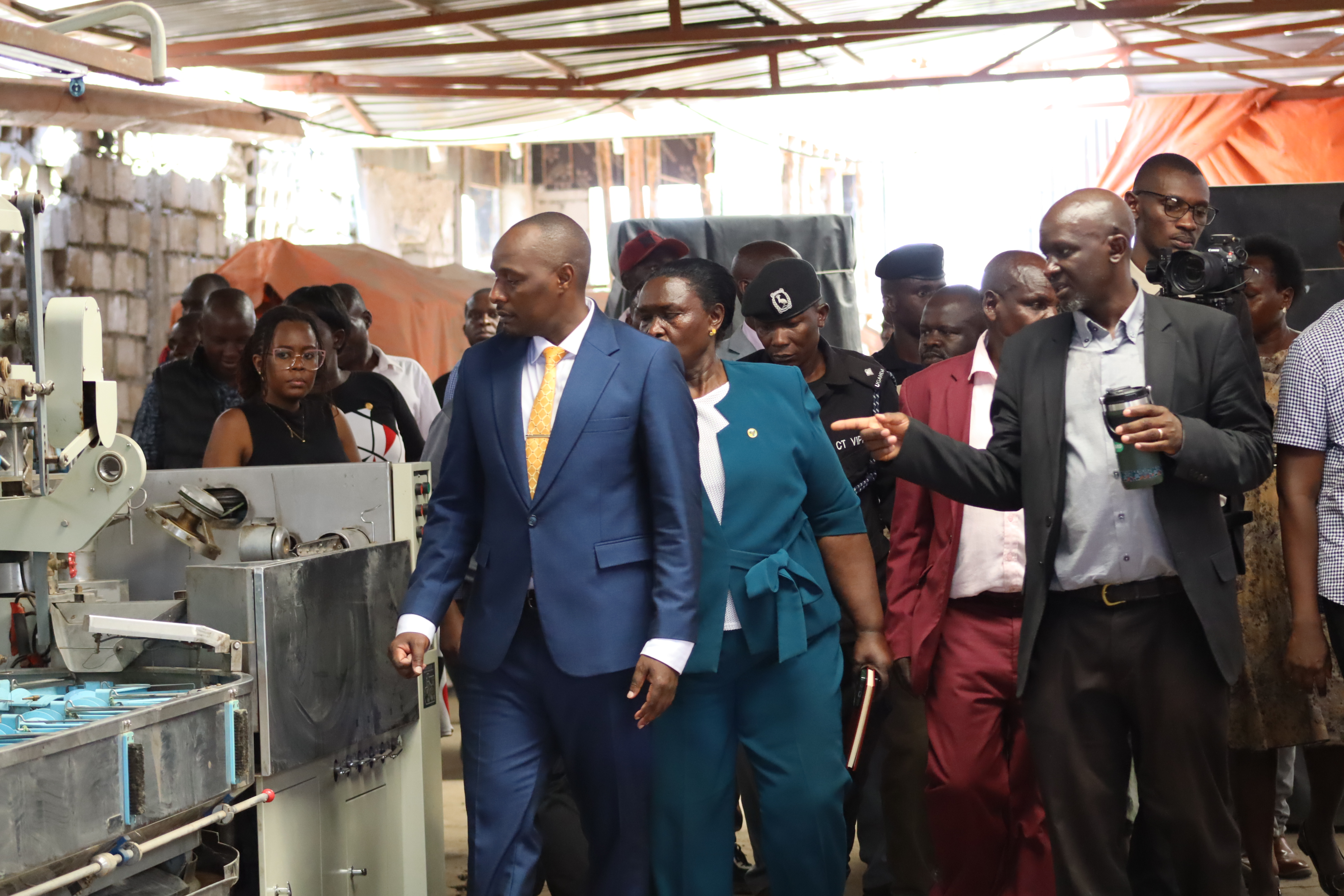
Much of TRIDI’s work happens away from the office, in TVET institutions, communities, farms, training centres and project sites.
The PR & Communications Department helps bring these field realities into public view.
Through field documentation and storytelling, audiences can follow implementation as it happens: from the establishment of mulberry nurseries and practical skills training to community mobilisation, skills competitions and engagements with institutions and industry.
This creates a communication trail that allows partners and stakeholders to better understand how programmes are being implemented on the ground.
Communication as accountability
For a development organisation, communication is also part of accountability.
Regular, accurate and evidence-based communication allows stakeholders to see what is being implemented, understand progress and follow the journey from plans to action.
This is particularly important in programmes such as SIYEP, where the objective extends beyond training young women to creating pathways towards employment, enterprise and sustainable livelihoods.
The PR & Communications Department therefore works alongside programme and technical teams to ensure that the story being told is grounded in the work being done.
Building TRIDI’s institutional identity
Every article, photograph, video, social media post, newsletter and public engagement contributes to how audiences understand TRIDI.
Consistency in messaging, visual identity and storytelling helps strengthen TRIDI’s institutional presence while ensuring that its different programmes and departments remain connected to one organisational story.
The department’s role is consequently both internal and external: helping teams communicate their work while ensuring that external audiences can understand TRIDI’s purpose, achievements, challenges and ambitions.
More than telling stories
At its core, TRIDI’s PR & Communications Department is not simply about publicity.
It is about connecting people to information, connecting evidence to understanding and connecting TRIDI’s work to the audiences that matter.
Because when development work is properly documented and communicated, the public does not just hear that something happened.
They can begin to understand what changed, why it matters and where the journey is going next.